
Utility knives are an essential tool in a wide range of industries, from construction to art projects. The blade of a utility knife plays a crucial role in its performance. In this article, we will explore the materials used in the manufacturing of utility knife blades and how different materials impact their durability, sharpness, and performance.
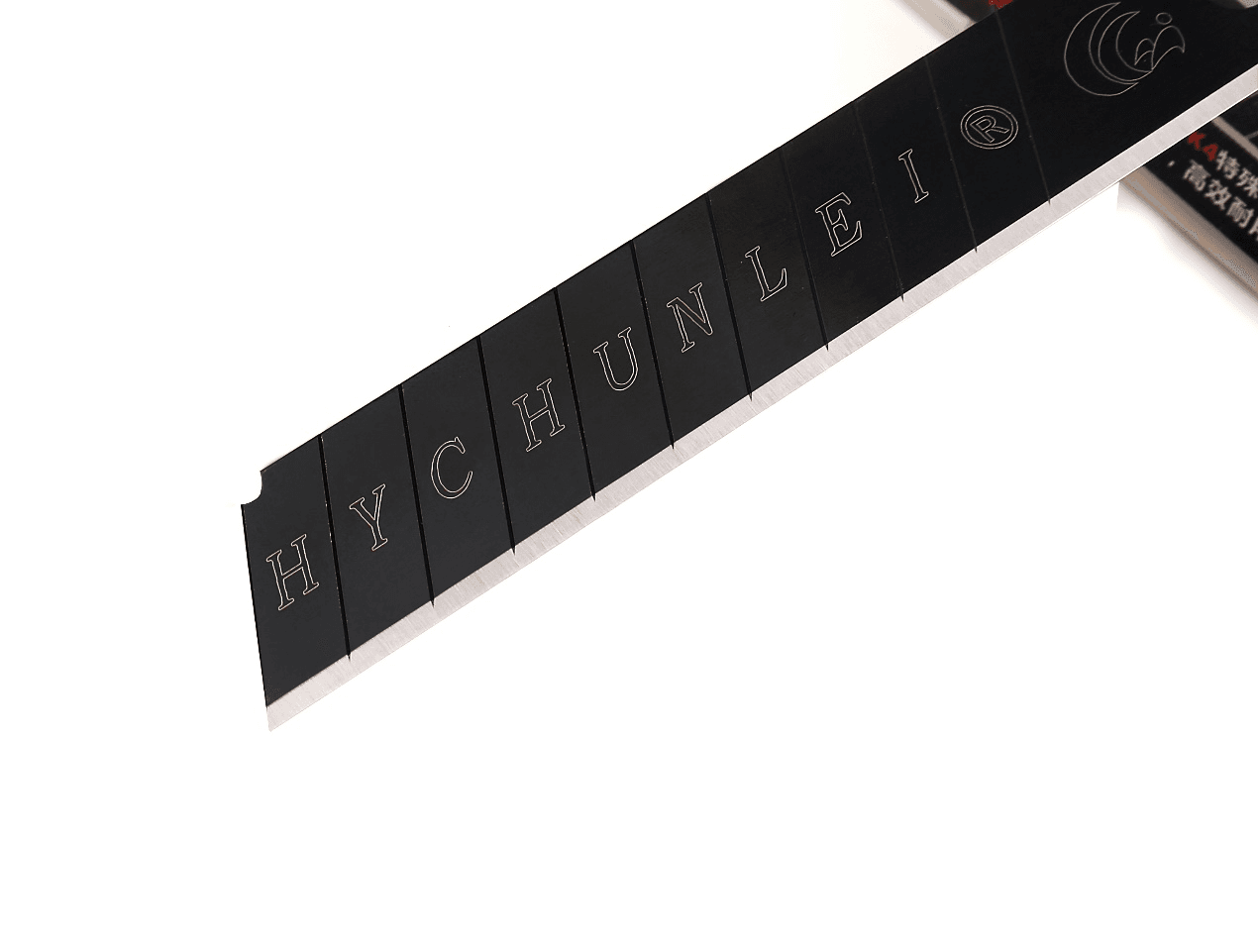
Types of Materials Used for Utility Knife Blades
Utility knife blades come in various materials, each offering unique benefits depending on the application. Let’s look at the most common materials used in utility knife blade production.
1. Stainless Steel
Stainless steel is one of the most popular materials used for utility knife blades, thanks to its corrosion resistance, durability, and sharpness. Stainless steel blades are commonly used in everyday tasks, such as cutting boxes, plastic, and paper. They are ideal for general-purpose applications because they offer long-lasting sharpness and are resistant to rust and corrosion, which makes them suitable for use in both dry and moist environments.
Advantages of Stainless Steel:
- Corrosion-resistant
- Long-lasting sharpness
- Resistant to wear and tear
- Low maintenance
Disadvantages of Stainless Steel:
- Can be less sharp than high-carbon steel initially
2. Carbon Steel
Carbon steel is another widely used material for utility knife blades, known for its superior sharpness and edge retention. Carbon steel blades can be sharpened to a finer edge compared to stainless steel blades, making them ideal for precision cutting tasks. However, one downside of carbon steel is its susceptibility to rust, especially if the blade is not properly cared for.
Advantages of Carbon Steel:
- Extremely sharp
- Holds an edge for a longer period
- Ideal for precision cutting
Disadvantages of Carbon Steel:
- Prone to rusting if not maintained properly
- Requires regular maintenance
3. High-Speed Steel (HSS)
High-speed steel (HSS) is a premium material used for utility knife blades, particularly in industrial settings. HSS blades are strong and hard, making them suitable for heavy-duty cutting tasks where durability is critical. These blades can handle tougher materials, such as thick plastic, rubber, and even metals. HSS is known for its heat resistance, which allows the blade to maintain its hardness even under high temperatures.
Advantages of High-Speed Steel:
- Superior strength and hardness
- Highly resistant to wear
- Ideal for cutting tough materials
Disadvantages of High-Speed Steel:
- Can be more expensive
- Not as corrosion-resistant as stainless steel
4. Titanium-Coated Blades
Titanium-coated blades are gaining popularity due to their extra durability and resistance to corrosion. These blades have a thin layer of titanium coating over a steel core, which makes them highly resistant to rust and wear. Titanium-coated blades are often used in heavy-duty environments where both corrosion resistance and strength are required. While they are generally not as sharp as carbon steel blades, their coating helps them stay sharper for longer.
Advantages of Titanium-Coated Blades:
- Increased durability
- Enhanced corrosion resistance
- Long-lasting sharpness
Disadvantages of Titanium-Coated Blades:
- Initial sharpness may not be as high as carbon steel
- Can be more expensive
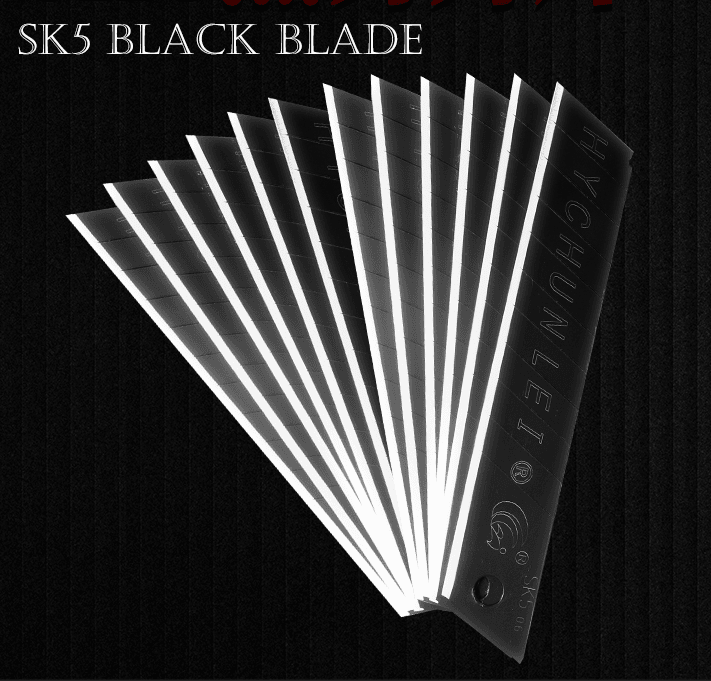
Factors That Influence Blade Material Selection
When choosing a utility knife blade, there are several factors to consider, including the material’s durability, sharpness, and resistance to corrosion.
Durability and Lifespan
The durability of a blade is directly tied to the material from which it is made. Stainless steel blades tend to be more durable than carbon steel blades, but carbon steel can hold a sharper edge longer. If you’re looking for a blade that can last a long time without needing frequent sharpening, stainless steel may be the better choice.
Sharpness and Edge Retention
Sharpness is a critical factor for many utility knife applications, particularly those requiring precision. Carbon steel blades are typically the sharpest, making them ideal for cutting fine materials. However, stainless steel blades tend to maintain their sharpness longer over time, making them a good choice for general-purpose tasks.
Corrosion Resistance
Corrosion resistance is another important factor when selecting a utility knife blade, especially if you will be using the tool in humid or outdoor environments. Stainless steel is highly resistant to corrosion, while carbon steel blades can rust if not regularly maintained. Titanium-coated blades provide the best of both worlds, offering resistance to both wear and corrosion.
How Are Utility Knife Blades Manufactured?
Utility knife blades go through a precise manufacturing process to ensure quality, durability, and performance.
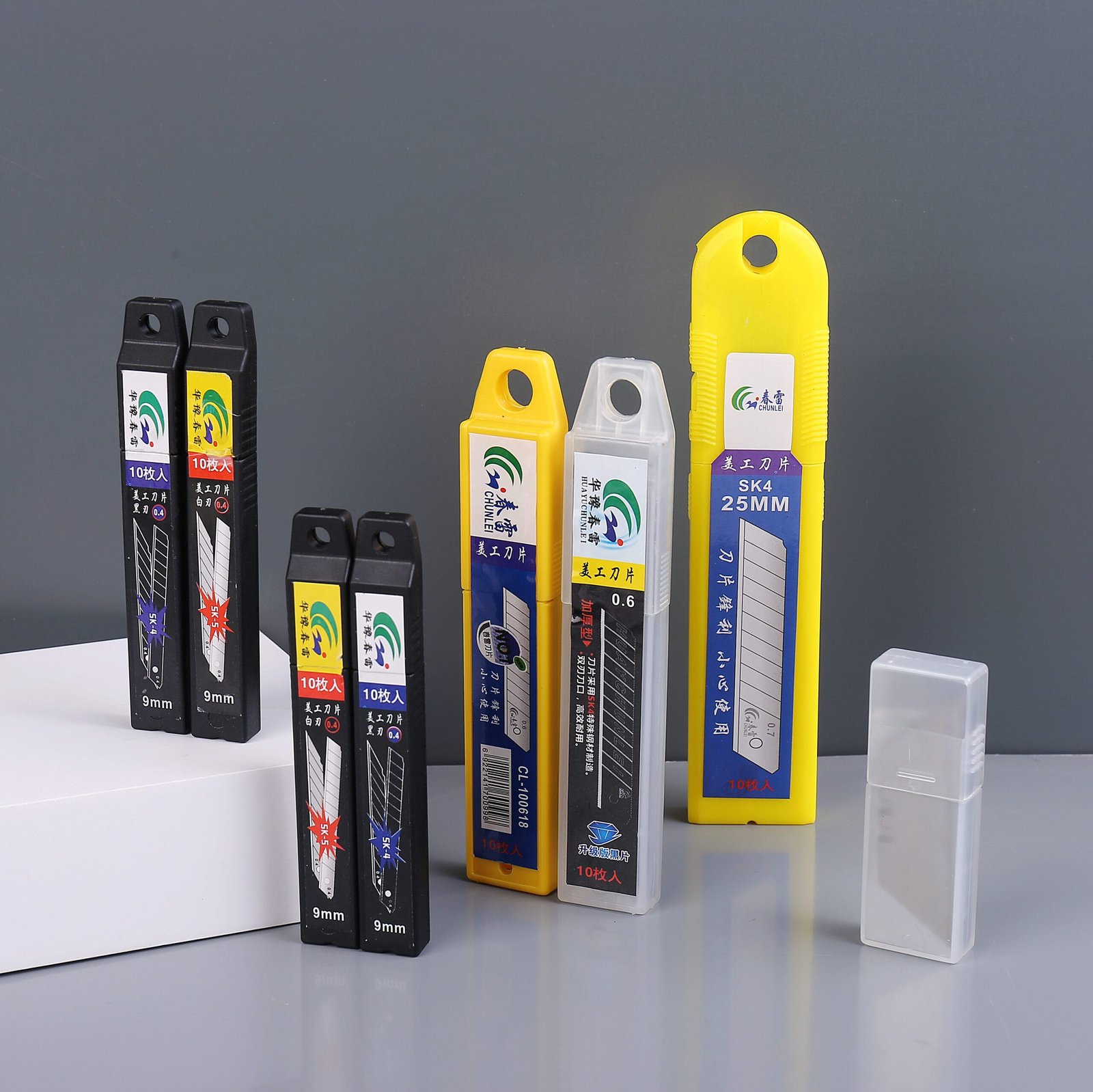
The Manufacturing Process
The process begins with the selection of high-quality steel, which is then heated and shaped into the desired blade form. The blades undergo hardening to enhance their strength and coating (if necessary) to increase corrosion resistance. The final step includes sharpening the blade to ensure a sharp edge that will perform well in a variety of cutting applications.
Quality Control in Blade Production
At every step of the manufacturing process, strict quality control measures are implemented to ensure that the blades meet industry standards. For manufacturers like Nxtools, this means performing various tests on the steel, checking the sharpness, durability, and ensuring the blade holds up under pressure. Only blades that meet the required specifications are approved for sale.
Choosing the Right Utility Knife Blade for Your Needs
When selecting a utility knife blade, it’s important to understand your specific needs and choose the blade material accordingly.
Types of Blades
There are several types of utility knife blades available, including snap-off blades, replaceable blades, and fixed blades. Snap-off blades are often used in tasks that require frequent sharpening or trimming, while replaceable blades are ideal for tasks that demand consistent performance. Fixed blades are typically used for heavy-duty tasks and can provide additional strength.
Cost vs. Performance
There is often a trade-off between cost and performance when selecting utility knife blades. Higher-quality blades, such as those made from HSS or titanium-coated steel, tend to be more expensive but offer superior durability and performance. When choosing a blade, it’s important to consider how much you are willing to invest in the tool based on its intended use.
Nxtools as a Leading Utility Knife Blades Manufacturer
Nxtools is a leading utility knife blades manufacturer, known for producing high-quality hand tools for various industries. With its state-of-the-art manufacturing facilities, Nxtools ensures that each utility knife blade meets strict quality control standards and provides optimal performance for both light and heavy-duty tasks.
Why Choose Nxtools for Your Utility Knife Blades?
Nxtools stands out in the industry for its commitment to quality and innovation. Whether you need utility knife blades for construction, packaging, or artistic applications, Nxtools offers a wide range of products tailored to meet your specific needs.
Frequently Asked Questions (FAQs)
1. What Is the Difference Between Carbon Steel and Stainless Steel Utility Knife Blades?
Carbon steel blades are sharper but more prone to rust, while stainless steel blades offer better corrosion resistance and longer-lasting sharpness.
2. How Do I Maintain My Utility Knife Blade?
Regularly clean and sharpen your blade to keep it in optimal condition. Store it in a dry place to prevent rusting.
3. Can I Use Utility Knife Blades for Cutting Thick Materials?
For cutting thick materials, such as rubber or plastic, consider using heavy-duty utility knife blades, typically made from high-speed steel or titanium-coated materials.
4. Are Titanium-Coated Utility Knife Blades Worth the Investment?
Yes, titanium-coated blades provide enhanced durability and corrosion resistance, making them ideal for heavy-duty and outdoor applications.
5. How Can I Choose the Best Utility Knife Blade for My Industry?
Consider the materials you will be cutting, the frequency of use, and whether you need a blade that is resistant to rust or wear.
Conclusion
Selecting the right utility knife blade is essential for achieving accurate and efficient results. Understanding the materials used in these blades—whether stainless steel, carbon steel, high-speed steel, or titanium-coated—can help you choose the best tool for your specific needs. For high-quality blades that meet the demands of professionals, Nxtools stands out as a trusted utility knife blades manufacturer offering innovative and durable products.
