Content Menu
● Understanding Rotary Laser Level Wall
>> Key Features of Rotary Laser Levels
● Applications of Rotary Laser Levels in Wall Construction
● Benefits of Using Rotary Laser Levels
● Choosing the Right Rotary Laser Level Supplier
● How to Use a Rotary Laser Level Effectively
● Visual Aids for Using Rotary Laser Levels
● The Economic Impact of Rotary Laser Levels
● Advanced Features of Modern Rotary Laser Levels
● Common Mistakes When Using Rotary Laser Levels
In the construction industry, precision is paramount. One tool that has revolutionized how professionals achieve accuracy in their projects is the rotary laser level. This article will delve into the significance of rotary laser levels, particularly in wall applications, and discuss why choosing a reliable rotary laser level supplier is crucial for successful construction outcomes.
Understanding Rotary Laser Level Wall
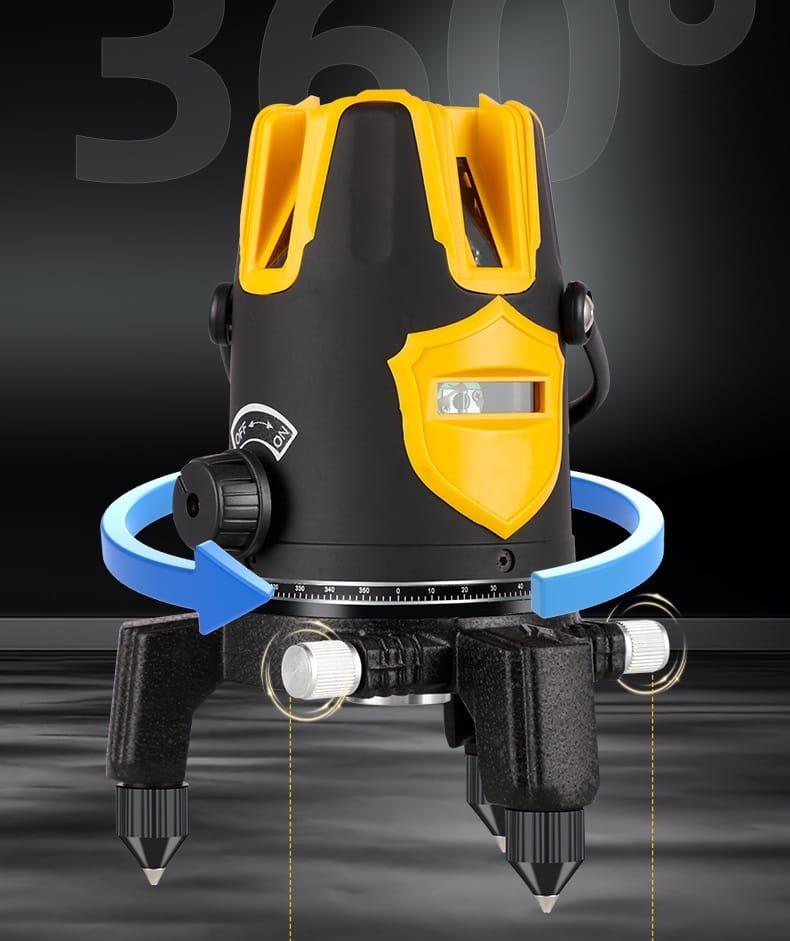
A rotary laser level wall is an advanced leveling tool that emits a rotating laser beam, creating a 360-degree horizontal or vertical reference line. This feature allows contractors to establish a level plane around an entire room or site, making it an essential tool for various construction tasks.
Key Features of Rotary Laser Levels
- 360-Degree Coverage: Unlike traditional levels that provide a single line, rotary laser levels project a continuous beam around the entire space, ensuring comprehensive coverage.
- Self-Leveling Mechanism: Many rotary laser levels come with self-leveling capabilities, which automatically adjust the beam to ensure accuracy even on uneven surfaces.
- Durability: Designed for construction environments, these tools are often rugged and weather-resistant, making them suitable for both indoor and outdoor use.
Applications of Rotary Laser Levels in Wall Construction
The versatility of rotary laser levels makes them ideal for various wall-related tasks in construction:
- Installing Drywall: Ensures that drywall sheets are hung evenly across walls, preventing sagging or misalignment.
- Framing Walls: Assists in aligning studs accurately for structural integrity and aesthetic appeal.
- Hanging Cabinets and Shelves: Guarantees that cabinets are installed at the same height across different walls, creating a uniform look.
- Setting Up Chair Rails and Molding: Helps maintain consistent heights for decorative elements around rooms.
Benefits of Using Rotary Laser Levels
Utilizing a rotary laser level wall offers numerous advantages over traditional leveling methods:
- Increased Accuracy: The rotating beam provides precise reference points, reducing human error significantly.
- Time Efficiency: With the ability to project lines around an entire room instantly, contractors can complete tasks faster than with manual methods.
- Cost Savings: By minimizing mistakes and ensuring accurate installations from the start, rotary laser levels help avoid costly rework.

Choosing the Right Rotary Laser Level Supplier
Selecting a reputable rotary laser level wall supplier is essential for ensuring quality and reliability. Here are some factors to consider:
- Product Range: A good supplier should offer various models to meet different needs and budgets.
- Customer Support: Look for suppliers that provide excellent customer service, including warranties and technical assistance.
- Reputation: Research suppliers’ reputations through reviews and testimonials from previous customers.
How to Use a Rotary Laser Level Effectively
To maximize the benefits of a rotary laser level in wall applications, follow these steps:
1. Setup: Place the rotary laser level on a stable surface or tripod at the center of the room. Ensure it is at an appropriate height for your project.
2. Turn On and Self-Level: Activate the device and allow it to self-level. Most modern models will indicate when they are ready for use.
3. Mark Reference Points: Use the projected laser line as a guide to mark where you will install drywall, cabinets, or other elements on the walls.
4. Check Alignment Regularly: As you work, continually check that your installations align with the projected lines to maintain accuracy.
5. Final Adjustments: After completing your installations, double-check all measurements against the laser lines to ensure everything is level.
Visual Aids for Using Rotary Laser Levels
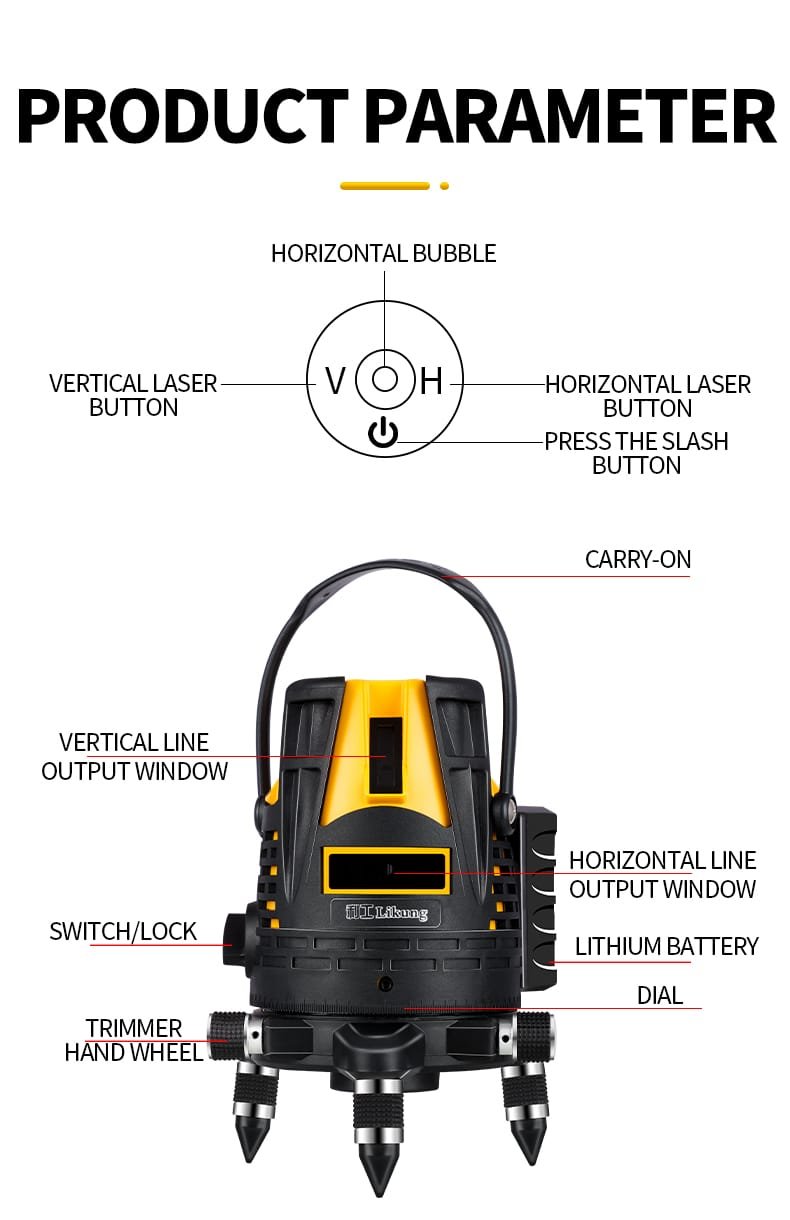
Incorporating images and videos demonstrating how to set up and use a rotary laser level can greatly enhance understanding. Visual aids can show proper positioning, leveling techniques, and examples of completed projects using this tool effectively.
The Economic Impact of Rotary Laser Levels
The adoption of rotary laser levels has significant economic implications for construction projects. By improving accuracy and efficiency, these tools help reduce labor costs and minimize material waste. For instance:
- Labor Cost Reduction: With faster setup times and fewer errors during installation, workers can complete tasks more quickly, allowing them to take on more projects within the same timeframe.
- Material Savings: Accurate measurements lead to less waste from cutting materials incorrectly or having to redo installations due to misalignment.
Advanced Features of Modern Rotary Laser Levels
Modern rotary laser levels come equipped with advanced features that enhance their usability:
- Remote Control Operation: Some models allow users to operate them remotely, making it easier to adjust settings without needing to walk back and forth between the device and work area.
- Multiple Beam Modes: Many rotary lasers offer different beam modes (horizontal, vertical, or cross-line) for various applications, providing flexibility in usage.
- Laser Detectors: For outdoor use or in bright conditions where visibility may be compromised, pairing a rotary laser with a detector can improve accuracy by allowing users to measure distances more effectively.
Common Mistakes When Using Rotary Laser Levels
Even experienced users can make mistakes when operating rotary laser levels. Here are some common pitfalls to avoid:
- Improper Setup: Ensure that the device is stable and at the correct height before turning it on; any movement can affect accuracy.
- Ignoring Self-Leveling Features: Always allow the device time to self-level before marking reference points; rushing this step can lead to inaccuracies.
- Neglecting Regular Checks: Regularly verify that installations remain aligned with projected lines throughout the process; adjustments may be necessary as work progresses.

Conclusion
In conclusion, a rotary laser level wall is an invaluable tool for improving precision in wall construction projects. By selecting a reliable rotary laser level supplier and understanding how to use this tool effectively, contractors can enhance their workflow and achieve professional results across various applications—from drywall installation to cabinet hanging.
Frequently Asked Questions
1. What should I look for when buying a rotary laser level?
- Consider features such as self-leveling capabilities, range (up to 2000 feet), durability (weather resistance), and ease of use (user-friendly interface).
2. Can I use a rotary laser level outdoors?
- Yes! However, ensure you have a compatible receiver for detecting the beam in bright sunlight conditions where visibility may be limited.
3. How do I maintain my rotary laser level?
- Keep it clean; store it properly when not in use; avoid dropping it; regularly check batteries if applicable; calibrate according to manufacturer guidelines.
4. What is the typical range of accuracy for rotary laser levels?
- Most models offer accuracy within 1/8 inch at 100 feet; higher-end models can achieve 1/16 inch accuracy at similar distances.
5. How do I choose a good supplier for rotary laser levels?
- Look for suppliers with positive reviews, diverse product offerings, strong customer support services, and warranty options on their products.
Citations:
[1] https://www.johnsonlevel.com/News/RotaryLaserLevels
[2] https://www.milwaukeetool.com/Products/48-35-3702
[3] https://www.youtube.com/watch?v=6khB2Qo56-E
