In the ever-evolving landscape of construction and DIY projects, precision is paramount. One tool that has revolutionized the way professionals and enthusiasts alike approach leveling tasks is the laser wall level. This article explores the significance of laser wall levels, their advantages over traditional leveling tools, and why choosing a reputable laser level manufacturer like Nxtools can enhance your project outcomes.
Understanding Laser Wall Levels
Laser wall levels are advanced tools that project a straight line or a series of lines across surfaces, providing a reliable reference for alignment and leveling. Unlike traditional bubble levels, which rely on gravity and require manual adjustments, laser levels utilize laser technology to ensure accuracy over long distances.
Key Features of Laser Wall Levels:
- Precision: Laser levels can achieve accuracy within ±1/8 inch at 30 feet, making them ideal for large-scale projects.
- Range: Many models can project lines over distances up to 1,000 feet with the help of a detector.
- Ease of Use: Once set up, they allow users to focus on their tasks without constantly checking the level.
The Advantages of Using Laser Levels
Using a laser wall level offers numerous benefits compared to traditional methods. Here are some compelling reasons to consider integrating laser levels into your toolkit:
- Enhanced Accuracy: The precision provided by laser levels minimizes errors in measurements, which is crucial for construction integrity.
- Increased Efficiency: Tasks that once required multiple checks can be completed more quickly, saving time and labor costs.
- Versatility: Laser levels are suitable for various applications, from hanging pictures to framing entire buildings.
- Improved Safety: By reducing the need for manual adjustments and the potential for human error, laser levels contribute to safer working conditions on site.
Applications of Laser Wall Levels
Laser wall levels are versatile tools that can be utilized in various settings. Some common applications include:
- Construction Projects: From laying foundations to installing drywall, laser levels ensure everything is aligned correctly.
- Home Improvement: DIY enthusiasts use laser levels for tasks like hanging shelves or aligning tiles.
- Landscaping: They help in grading land and ensuring proper drainage by providing accurate slope measurements.
- Electrical Work: Laser levels assist electricians in running conduit and ensuring fixtures are installed at the correct height.
- HVAC Installation: They help HVAC professionals ensure ductwork is level and properly aligned for optimal airflow.
Choosing the Right Laser Level Manufacturer
When selecting a laser level, partnering with a reputable manufacturer is crucial. Nxtools, based in Yucheng, Shangqiu—the hardware tools capital of China—stands out as a leading industrial and trading company specializing in high-quality hand tools. Their commitment to quality ensures that customers receive reliable products that enhance productivity and precision in their projects.
Why Choose Nxtools?
- Quality Assurance: Nxtools employs rigorous quality control measures throughout its manufacturing process to guarantee durability and performance.
- Innovative Technology: The company invests in research and development to incorporate the latest technology into its products, ensuring they meet modern demands.
- Customer Support: Nxtools provides excellent customer service, offering guidance on product selection and after-sales support.
Comparing Laser Levels with Traditional Levels
| Feature | Laser Level | Traditional Level |
|---|---|---|
| Accuracy | ±1/8 inch (30 feet) | ±1/2 inch (10 feet) |
| Range | Up to 1000 feet | Physically limited (2-6 feet) |
| Ease of Use | Requires initial setup but very easy afterward | Simple, but requires manual alignment |
To better understand the advantages of laser wall levels, let’s compare them with traditional leveling tools:
How to Use a Laser Wall Level
Using a laser wall level involves several straightforward steps:
1. Set Up the Level: Place the laser level on a tripod or stable surface.
2. Calibrate: Ensure it’s properly leveled using its built-in self-leveling feature.
3. Project the Line: Activate the laser to project a line across your work area.
4. Align Your Work: Use the projected line as a reference for your installation or construction task.
5. Adjust as Needed: If you’re working on uneven surfaces or require multiple lines (horizontal and vertical), adjust the level accordingly to maintain accuracy throughout your project.
Types of Laser Levels
There are several types of laser wall levels available on the market today, each designed for specific applications:
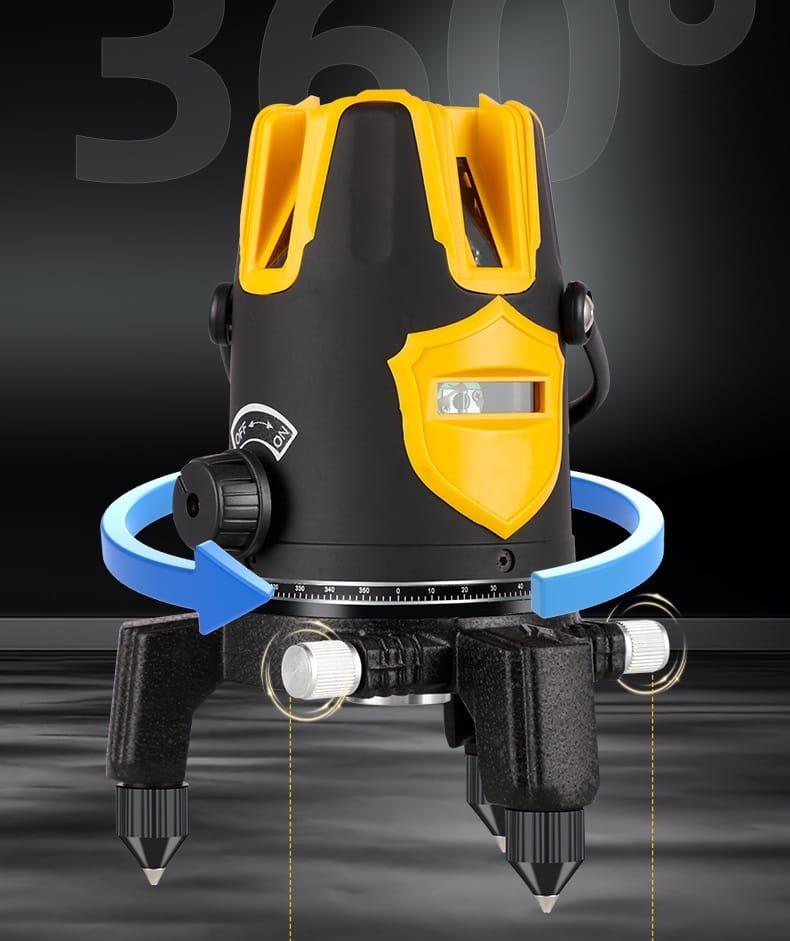
- Line Laser Levels: These project one or multiple lines onto surfaces. They are ideal for tasks such as hanging pictures or aligning cabinets.

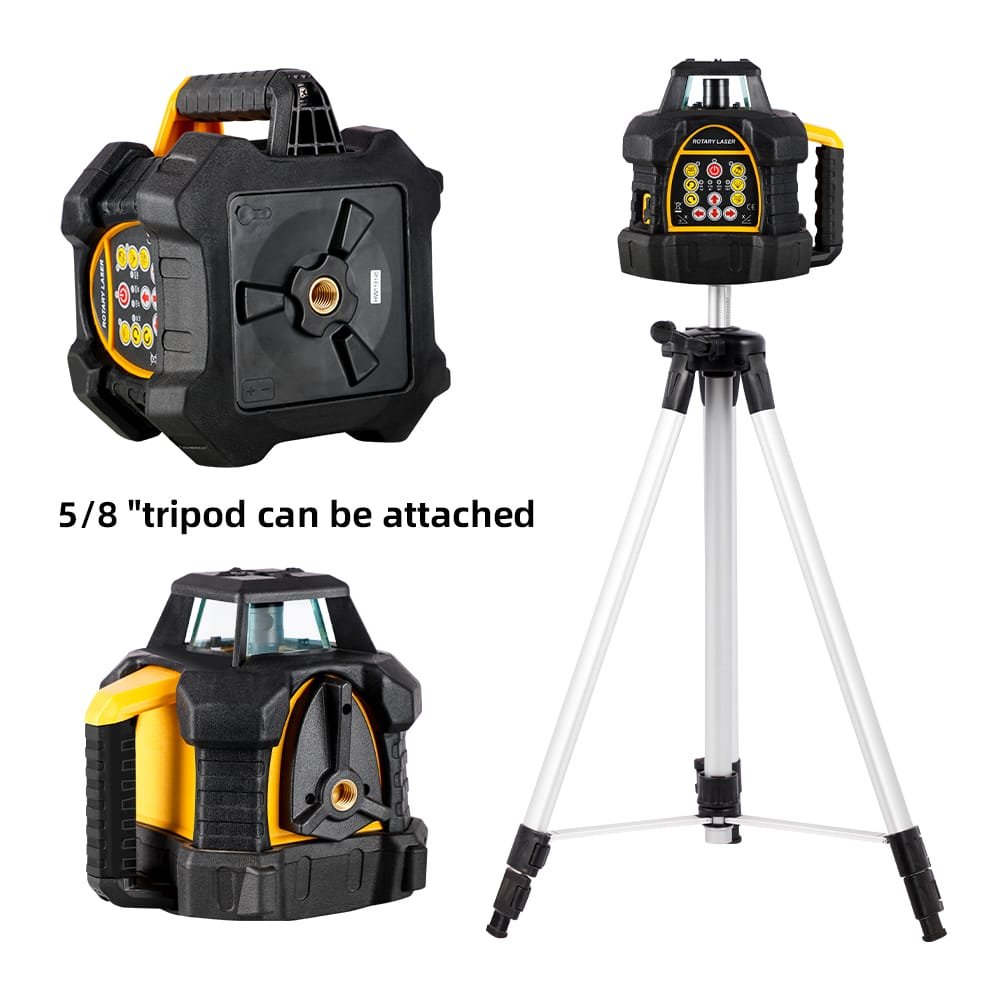
- Rotary Laser Levels: These emit a rotating beam that creates a 360-degree horizontal or vertical plane. They are perfect for larger jobs like grading land or setting foundations.
- Dot Laser Levels: These project dots onto surfaces at specific points. They are useful for transferring points from one surface to another but are less versatile than line or rotary lasers.

Common Questions About Laser Wall Levels
1. What is a self-leveling laser level?
A self-leveling laser level automatically adjusts itself to ensure it is perfectly horizontal or vertical. This feature saves time during setup and increases accuracy.
2. How accurate are laser levels?
High-quality laser levels typically offer accuracy within ±1/8 inch at 30 feet, making them suitable for professional use across various applications.
3. Can I use a laser level outdoors?
Yes, but visibility may be affected by sunlight; using a detector can enhance visibility outdoors. Many models come with features specifically designed for outdoor use.
4. How do I maintain my laser level?
Regularly clean the lenses and calibrate before each use to ensure optimal performance. Additionally, store it in a protective case when not in use to prevent damage.
5. What should I consider when buying a laser level?
Consider factors such as range, accuracy, battery life, whether it has self-leveling capabilities, and any additional features that may enhance usability based on your specific needs.
The Future of Laser Level Technology
As technology continues to advance, so too will the capabilities of laser wall levels. Emerging trends include:
- Integration with Smart Technology: Future models may incorporate Bluetooth connectivity allowing users to control settings via smartphone apps or receive real-time feedback about their leveling tasks.
- Enhanced Durability Features: New materials and designs will likely improve resistance to dust and moisture, making these tools even more reliable in challenging environments.
- Increased Automation: Automation features could simplify setup processes further by allowing users to input desired measurements directly into the device.
Conclusion
In conclusion, laser wall levels have become indispensable tools in modern construction and DIY projects due to their unmatched precision and efficiency. As technology continues to advance, these tools will only become more integral in ensuring high-quality results across various applications. Choosing a reliable manufacturer like Nxtools not only guarantees quality but also supports the growing demand for innovative solutions in the construction industry.
The versatility of laser wall levels makes them essential for both professionals and DIY enthusiasts alike. Whether you’re framing a house or hanging artwork at home, investing in a high-quality laser level will enhance your accuracy and efficiency significantly.
