
Content Menu
● The Importance of Wall Flatness
● Benefits of Using Laser Levels
● Applications of Laser Levels in Ensuring Wall Flatness
● Choosing the Right Laser Level Manufacturer
Laser levels have become indispensable tools in the construction industry, particularly when it comes to ensuring wall flatness. With the increasing demand for precision in building projects, understanding how laser levels work and their applications can significantly enhance the quality of construction work. This article explores the functionality of laser levels, their benefits, and practical applications, particularly focusing on maintaining wall flatness.
Understanding Laser Levels
What is a Laser Level?A laser level is a tool that projects a laser beam to create a reference line or point for leveling and alignment tasks. It is widely used in construction and renovation projects to ensure accuracy in various applications, such as installing cabinets, aligning walls, and laying foundations.Types of Laser Levels:
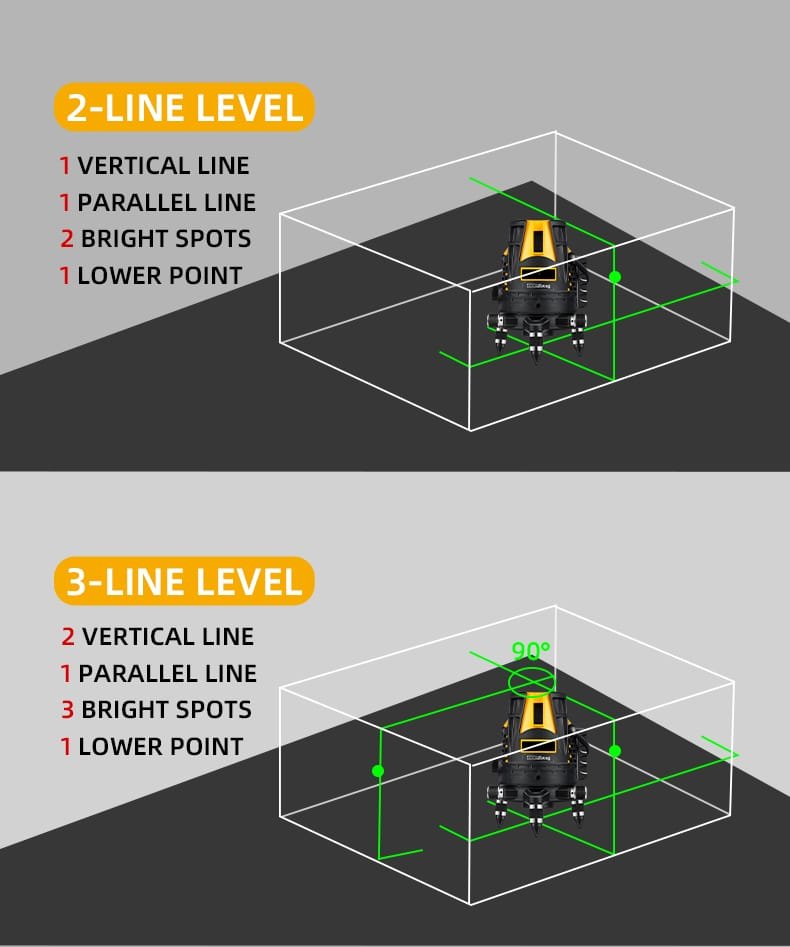
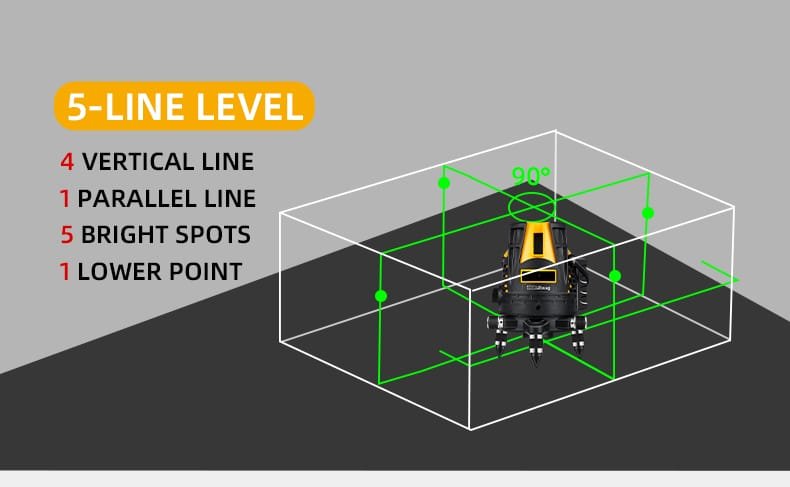
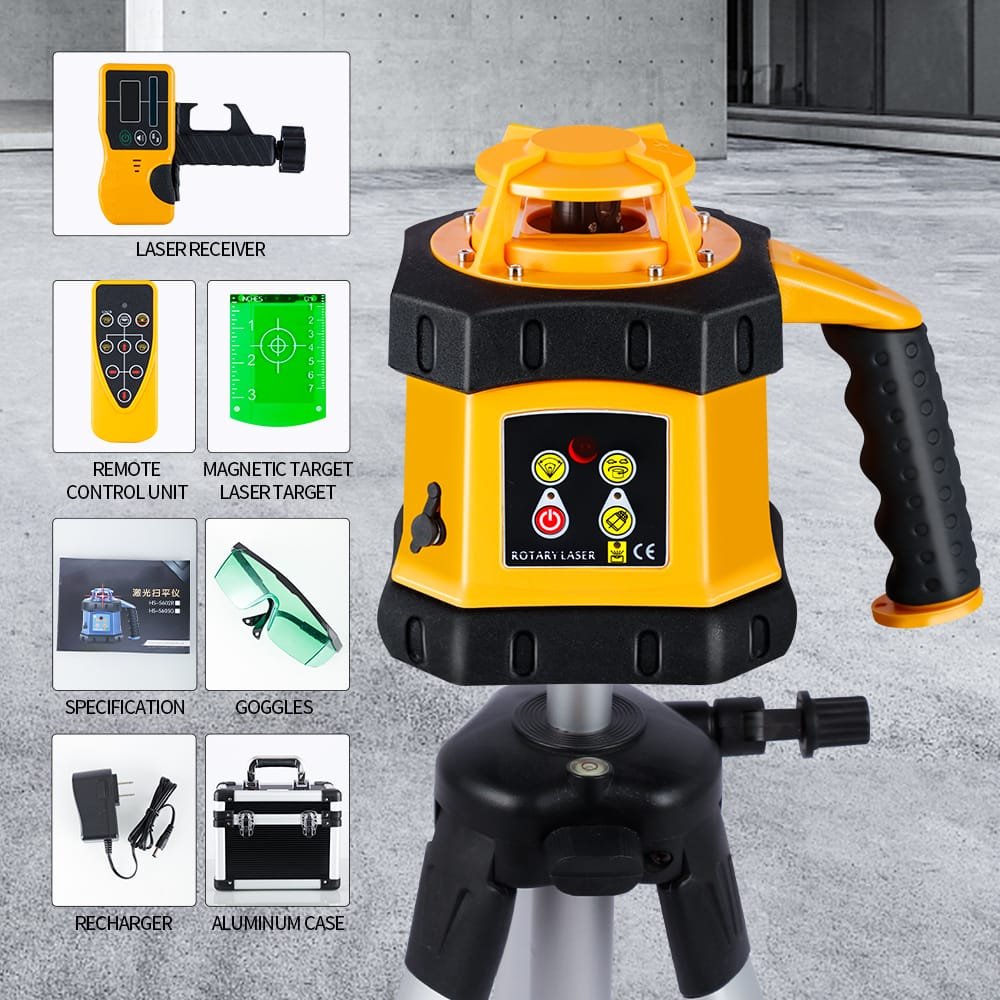
- Line Laser Levels: Projects one or more laser lines on a flat surface.- Rotary Laser Levels: Spins a laser beam 360 degrees, ideal for large areas.- Dot Laser Levels: Projects dots of laser light for precise point alignment.
Each type serves different purposes and is chosen based on the specific needs of the project.

The Importance of Wall Flatness
Why is Wall Flatness Critical?Maintaining wall flatness is essential for several reasons:
- Aesthetic Appeal: Uneven walls can lead to visible imperfections in finishes.- Structural Integrity: Properly aligned walls ensure that loads are evenly distributed.- Ease of Installation: Flat walls facilitate the installation of fixtures, cabinetry, and other elements.
Achieving wall flatness requires precise measurements and adjustments, which is where laser levels excel.
How Laser Levels Work
Mechanics Behind Laser LevelsLaser levels utilize advanced technology to project a straight line or dot across surfaces. Most modern laser levels are equipped with self-leveling features that ensure the beam remains horizontal or vertical regardless of surface irregularities.Self-Leveling Mechanisms:
- Pendulum-Based Systems: Use gravity to maintain level orientation.- Electronic Sensors: Automatically adjust the beam’s position for accuracy on uneven surfaces.
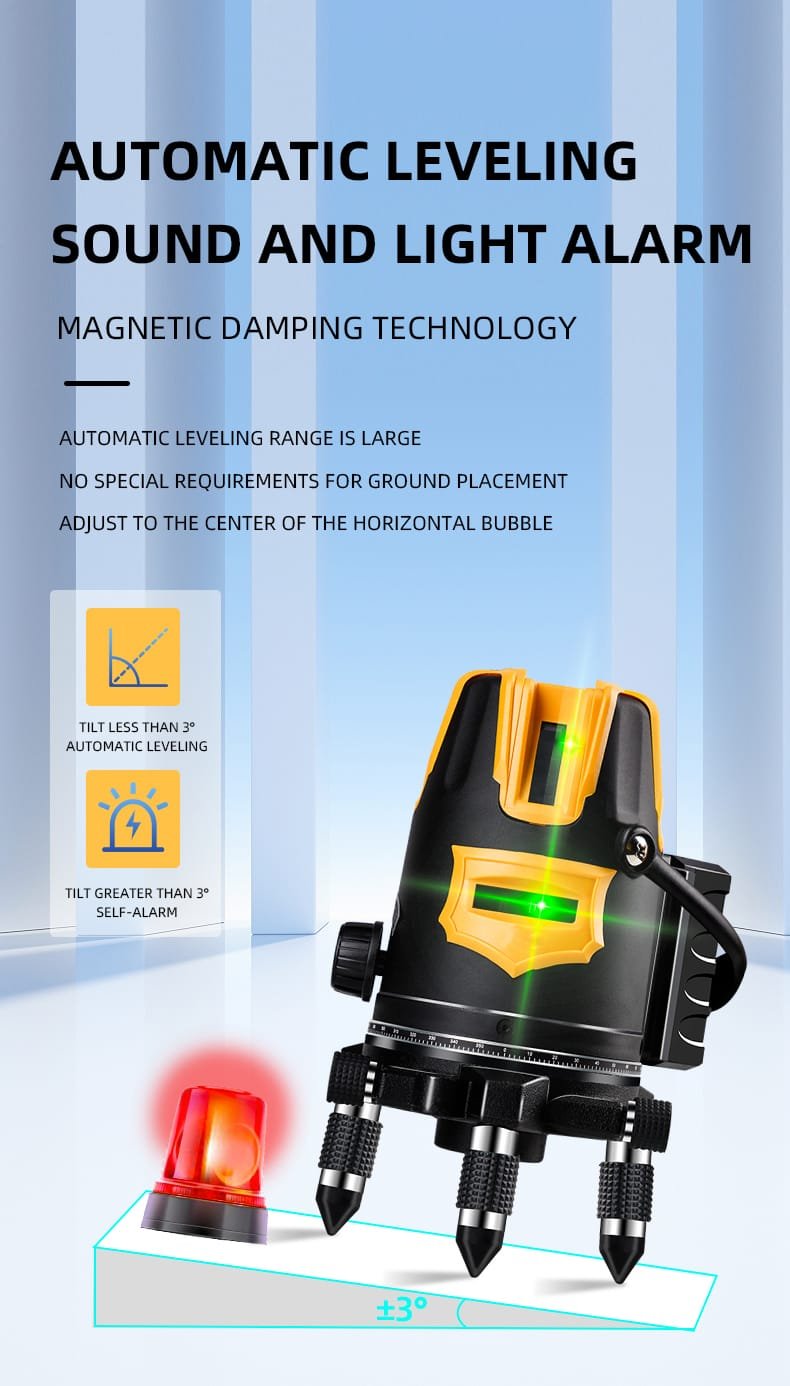
These mechanisms significantly reduce setup time and improve measurement precision.
Benefits of Using Laser Levels
Advantages Over Traditional ToolsLaser levels offer numerous advantages compared to traditional leveling tools:
- Accuracy: They provide superior precision, reducing margins of error.
- Efficiency: Speeds up the leveling process, saving time and labor costs.
- Versatility: Suitable for various applications from minor home improvements to major construction projects.
- Ease of Use: Simple setup makes them accessible even for beginners.
Applications of Laser Levels in Ensuring Wall Flatness
Practical Uses in Construction Laser levels are utilized across various stages of construction to ensure wall flatness:
1. Framing Walls:- When framing walls, a laser level can project a straight line along the desired height. This ensures that studs are installed perfectly vertical and aligned with each other.
2. Hanging Drywall:- A laser level helps align drywall sheets accurately, preventing gaps and ensuring a smooth finish.
3. Installing Cabinets:- For kitchen or bathroom renovations, using a laser level ensures cabinets are hung straight and at the correct height.
4. Aligning Tiles:- When tiling walls or floors, a laser level helps maintain consistent spacing and alignment across large areas.
5. Setting Up Fences:- For outdoor projects, laser levels can ensure that fences are installed straight over long distances.
Choosing the Right Laser Level Manufacturer
Factors to ConsiderWhen selecting a laser level manufacturer, consider the following factors:
- Quality and Durability: Look for products known for their robustness in harsh job site conditions.
- Technology Used: Advanced features like self-leveling capabilities and visibility options (green vs. red lasers) can impact performance.
- Customer Support: Reliable manufacturers offer good customer service and warranties.
Nxtools stands out as a reputable manufacturer known for its high-quality laser levels that meet rigorous standards of durability and precision. Their commitment to innovation ensures that their products remain at the forefront of technology in the industry.
Conclusion
Laser levels play a crucial role in achieving wall flatness during construction projects. Their accuracy, efficiency, and ease of use make them essential tools for both professionals and DIY enthusiasts. By understanding how to effectively utilize these devices, construction teams can enhance their workflow, reduce errors, and ultimately deliver higher-quality results.
Frequently Asked Questions
1. What is the best type of laser level for indoor use?- Line laser levels are typically best for indoor tasks due to their ease of use and visibility in confined spaces.
2. How do I choose between green and red laser beams?- Green lasers are more visible than red lasers, especially in bright conditions; thus, they are often preferred for outdoor use.
3. Can I use a laser level on uneven surfaces?- Yes! Many modern laser levels come with self-leveling features that adjust automatically to uneven surfaces.
4. What should I look for when buying a laser level?- Consider accuracy, battery life, visibility (green vs. red), durability, and whether it has self-leveling capabilities.
5. How can I ensure my walls are perfectly plumb using a laser level?- Set up your laser level at one end of the wall; project the beam along the desired height while adjusting your studs accordingly until they align with the beam.
