
Content Menu
>> Understanding Laser Level Meters
>>> How Laser Level Meters Work
>> Types of Laser Level Meters
>> Why Choose Chinese Suppliers for Laser Level Meters?
>> Applications of Laser Level Meters
>> Benefits of Using Laser Level Meters
>> Choosing the Right Manufacturer
>> How to Use a Laser Level Meter Effectively
>> Common Issues with Laser Level Meters
>> Innovations in Laser Level Technology
>> Conclusion
>> Frequently Asked Questions (FAQs)
In the realm of construction and surveying, precision is key. Laser level meters have become indispensable tools for professionals seeking accuracy in their work. As a leading industrial and trading company based in Yucheng, Shangqiu—known as the hardware tools capital of China—Nxtools specializes in the development, production, and sales of high-quality hand tools, including laser level meters. This article will explore the significance of laser level meter suppliers in China, their role in the industry, and how they contribute to enhanced measurement accuracy.
Understanding Laser Level Meters
Laser level meters are devices that utilize laser technology to measure distances with remarkable precision. They work by projecting a laser beam onto a target and calculating the distance based on the time it takes for the beam to return. This technology has transformed measurement techniques across various sectors, particularly in construction.
How Laser Level Meters Work
The basic principle behind laser level meters involves the speed of light. When the laser beam hits an object, it reflects back to the device. The rangefinder measures the time taken for this round trip and uses it to calculate distance using the formula:

This method allows for precise measurements that are crucial for tasks requiring high accuracy.
Types of Laser Level Meters
There are several types of laser level meters available in China, each suited for specific applications:
- Rotary Laser Levels: These devices project a rotating laser beam around a 360-degree plane, ideal for large outdoor projects like grading and leveling land.
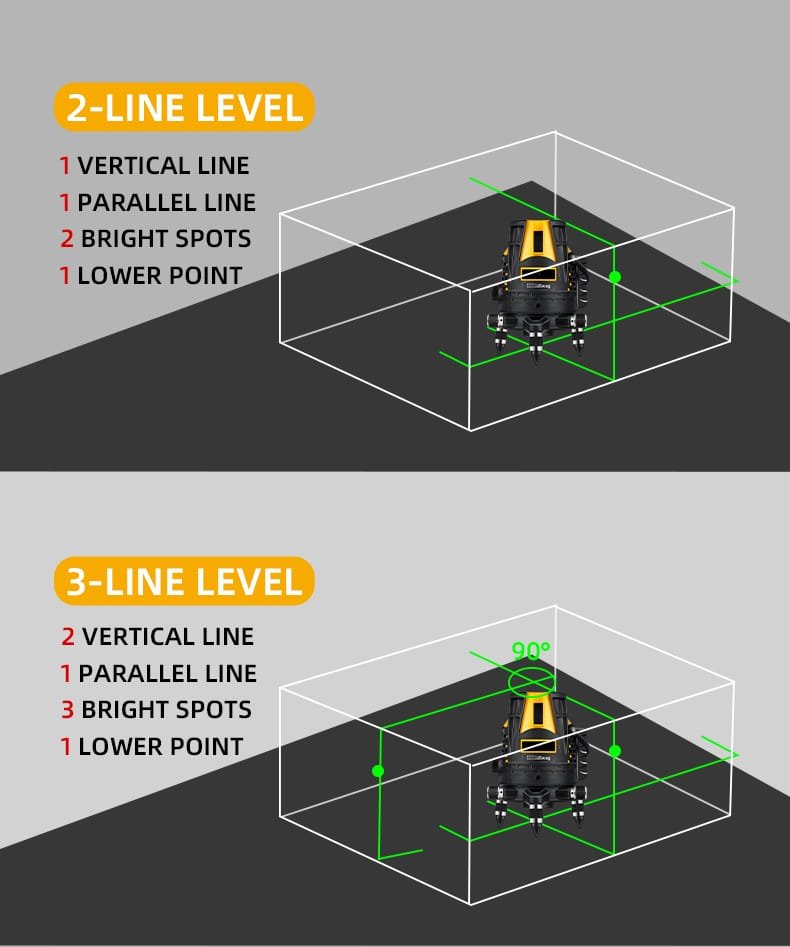
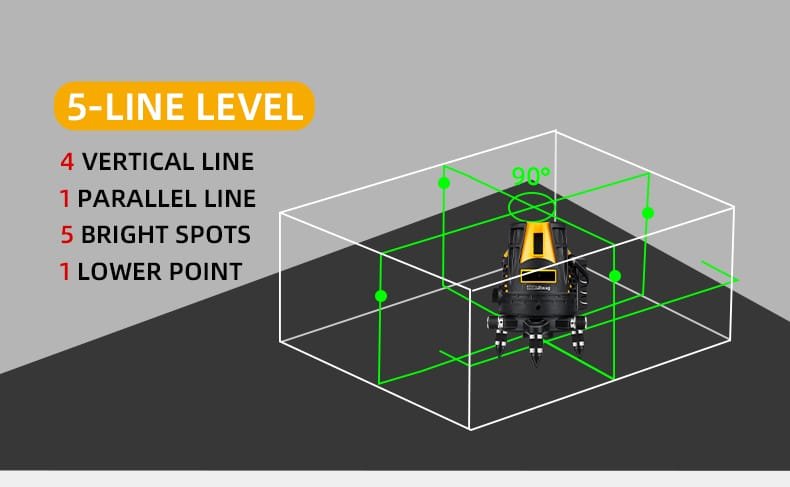
- Line Laser Levels: These emit a straight line of laser light, perfect for smaller indoor tasks such as hanging pictures or installing shelves.
- Dot Laser Levels: These project dots at specific intervals and are commonly used for establishing plumb lines.
- 3D Laser Levels: Advanced models that project multiple lines in three dimensions, allowing for complex layout tasks in construction and design.

Why Choose Chinese Suppliers for Laser Level Meters?
China has emerged as a global hub for manufacturing laser level meters due to its advanced technology, competitive pricing, and diverse product offerings. Here are some reasons why choosing Chinese suppliers can be beneficial:
- Cost-Effective Solutions: Chinese manufacturers often provide high-quality products at lower prices compared to their counterparts in other countries.
- Wide Range of Products: With thousands of suppliers available, customers can find various types of laser level meters tailored to their specific needs.
- Innovative Technology: Many Chinese manufacturers invest heavily in research and development, ensuring that their products incorporate the latest technological advancements.
- Quality Assurance: Reputable suppliers adhere to international quality standards such as ISO 9001, ensuring that customers receive reliable and durable products.
Applications of Laser Level Meters
Laser level meters find applications across multiple fields:
- Construction: Used for leveling foundations, framing walls, and installing ceilings. They help ensure that structures are built to precise specifications.
- Surveying: Essential for land surveying and establishing property boundaries. Surveyors use these devices to create accurate maps and assess land features.
- Interior Design: Useful for hanging artwork or aligning fixtures accurately. Designers rely on laser levels to ensure that installations are visually appealing and correctly positioned.
- Electrical Work: Electricians use laser levels to install outlets and fixtures at consistent heights across different rooms.
- Landscaping: In landscaping projects, these tools help ensure that slopes and levels are correct for drainage and aesthetic purposes.
Benefits of Using Laser Level Meters
The advantages of using laser level meters include:
- Speed: They allow for quick measurements compared to traditional methods, significantly reducing project timelines.
- Ease of Use: Most models are user-friendly, making them accessible even to beginners with minimal training required.
- Versatility: Suitable for both indoor and outdoor applications across different industries; their adaptability makes them valuable tools in various settings.
- Enhanced Visibility: Many modern laser levels come with bright lasers that can be seen even in daylight conditions, improving usability outdoors.
Choosing the Right Manufacturer
When selecting a manufacturer or supplier for laser level meters, consider factors such as:
- Reputation: Look for manufacturers with positive reviews known for quality and reliability in their products.
- Product Range: A diverse product line indicates expertise and innovation in the field; manufacturers like Nxtools offer various models tailored to different needs.
- Customer Support: Good after-sales support can be crucial for troubleshooting and maintenance; ensure that the manufacturer provides adequate warranty coverage and customer service options.

How to Use a Laser Level Meter Effectively
Using a laser level meter involves several steps:1. Set Up the Device: Place the device on a stable surface or tripod.2. Turn On the Device: Activate the laser level and allow it to self-level if applicable.3. Align with Target: Aim the laser at your target area to take measurements.4. Read Measurements: Observe the display for accurate distance readings.5. Make Adjustments as Needed: Use the measurements obtained to make necessary adjustments in your project.
Common Issues with Laser Level Meters
Despite their advantages, users may encounter some common issues:
- Battery Life: Ensure that batteries are charged or replaced regularly to avoid interruptions during use; some advanced models come with rechargeable options that can save costs over time.
- Visibility in Bright Conditions: Some lasers may be difficult to see in direct sunlight; using a detector can help in such scenarios where visibility is compromised.
- Calibration Needs: Regular calibration may be necessary to maintain accuracy over time; most devices have built-in calibration features that simplify this process.
Innovations in Laser Level Technology
With advancements in technology, newer models of laser level meters feature innovative enhancements:
- Bluetooth Connectivity: Some modern devices offer Bluetooth connectivity that allows users to connect their smartphones or tablets for enhanced functionality such as data logging and remote control capabilities via dedicated apps.
- Digital Displays with Memory Functions: Advanced models now include digital displays that not only show measurements but also store multiple readings for later reference—ideal for complex projects requiring numerous measurements over time.
- Integrated Sensors: Newer models may feature integrated sensors that provide additional data such as temperature or humidity readings which can influence measurement accuracy in certain conditions.
Conclusion
China’s position as a leading supplier of laser level meters is supported by its robust manufacturing capabilities, innovative technology, and competitive pricing. As a prominent manufacturer like Nxtools continues to produce high-quality hand tools including laser level meters, professionals across various industries benefit from enhanced measurement accuracy and efficiency. By understanding how to select reliable suppliers and effectively utilize these tools, users can significantly improve their work processes.
Frequently Asked Questions (FAQs)
1. What is the difference between rotary and line laser levels?
- Rotary levels project a rotating beam around a 360-degree plane suitable for large areas, while line levels emit straight lines ideal for smaller tasks like aligning fixtures indoors.
2. Can I use a laser level outdoors?
- Yes, many models are designed for outdoor use; however, ensure they have sufficient visibility features like pulse mode or detectors to enhance visibility under bright conditions.
3. How do I maintain my laser level meter?
- Regularly check battery levels, clean lenses with appropriate materials (like microfiber cloths), and calibrate as needed according to manufacturer recommendations to ensure optimal performance over its lifespan.
4. What should I consider when buying a laser level?
- Consider factors such as accuracy ratings (look for ±1/8 inch over 100 feet), maximum measuring distance capabilities (some go beyond 1,000 feet), durability features (like IP ratings), self-leveling capabilities if needed based on your projects’ requirements.
5. Are there safety precautions I should take when using laser levels?
- Avoid looking directly into the laser beam as it can cause eye damage; do not point it at people or reflective surfaces which could redirect beams unexpectedly causing accidents; always follow safety guidelines provided by manufacturers during operation procedures.
